

Corporate Training Programs: Benefits, Challenges, and How to Create One on WordPress
Ready to level up your team? Corporate training programs aren't just a nice-to-have; they're a must-have for any company that wants to stay competitive. Think of them as an investment that helps your employees crush their goals and take your business to the next level.
What are corporate training programs? They offer a structured approach to equip employees with the skills, knowledge, and tools they need to excel in their roles and contribute to the organization's success.
By providing opportunities for growth and development, companies can nurture a positive work culture, enhance productivity, and drive innovation within the organization.
In this blog post, we'll dive into the world of corporate training programs and explore:
- The benefits of investing in your team's development
- The challenges you might face when implementing training programs
- A step-by-step guide to creating your own corporate training program using WordPress
Get ready to transform your organization and watch your employees reach new heights! Let's start with the what.
What Are Corporate Training Programs?

In simple terms, corporate training programs are organized learning activities provided by a company to help its employees improve their skills, knowledge, and abilities. These programs can cover a wide range of topics, such as teaching employees how to use new software, improving their communication skills, or making sure they understand company policies.
Think of it as a way for companies to teach their workers what they need to know to do their jobs better. These programs can be as simple as a one-time workshop or as comprehensive as a series of online courses.
Companies with comprehensive corporate training programs have 218% higher incomes per employee than those without formalized training.
According to Edstellar
In short, corporate training is all about helping employees grow so the company can thrive.
7 Major Types of Corporate Training Programs
Corporate training programs come in various forms, each designed to address specific needs within a company. We can divide corporate training programs into many types based on the content and medium of the training.
1. Onboarding Training
Onboarding training helps new hires become familiar with the company's culture, policies, and job expectations.
Real-Life Example: A tech company might have a week-long onboarding program where new developers learn about the company’s tech stack, meet their teams, and complete initial setup tasks.
2. Leadership Training
Leadership training focuses on developing management and leadership skills to prepare employees for higher-level roles.
Real-Life Example: A retail chain may offer leadership workshops to store managers, focusing on team building and conflict resolution to enhance their management capabilities.
3. Technical Skills Training

This type of training is aimed at teaching specific technical skills required for employees to perform their jobs efficiently.
Real-Life Example: A financial services firm might provide advanced Excel training to its analysts to improve their data analysis and reporting skills.
4. Soft Skills Training
Soft skills training covers non-technical skills such as communication, teamwork, and problem-solving, which are crucial for effective collaboration.
Real-Life Example: An international company could offer communication workshops to help employees from different departments work together more effectively.
5. Compliance Training
Compliance training ensures employees are aware of and adhere to legal and company-specific regulations and policies.
Real-Life Example: A healthcare organization might provide compliance training on patient privacy laws and safety protocols to meet regulatory requirements.
6. Product and Service Training
This training helps employees understand the company’s products or services better to improve customer interactions and support.
Real-Life Example: A software company could offer training on its latest product features to customer support representatives so they can provide accurate assistance to users.
7. Corporate Training Programs Based on Medium

Here are the different types of corporate training programs based on the medium:
i. On-the-Job Training
Learning by doing. This is like watching an experienced chef and then trying to replicate their techniques. Or, a new sales representative shadowing a more expert one to learn about customer interactions and closing deals.
ii. Classroom Training
Learning in a structured classroom setting. It's like a group of employees attending a workshop on time management and productivity.
iii. Online Training
Learning through online courses and modules. It's like an employee completing an online course on cybersecurity to protect the company's data. You can easily build training courses online and make them available for your employees.
iv. Conferences and Workshops
Attending industry events to learn from experts and network with peers. It's like an employee attending a marketing conference to learn about the latest trends and best practices.
Benefits of Corporate Training Programs: For Employees and Employers
Corporate training programs offer numerous advantages for both employees and organizations. Here are some of the corporate training program benefits for Employees:
1. Skill Development
Corporate training helps employees learn new techniques, tools, and methodologies. This enables them to perform their jobs more effectively. By continually upgrading their skills, employees can keep pace with industry trends, adapt to technological advancements, and stay competitive in their roles, ultimately increasing their overall value.
2. Career Advancement
Employees who establish clear career goals are four times more likely to be actively engaged in learning than those without defined goals.
Workplace Learning Report
Training opens doors for employees to take on more complex tasks and higher-level responsibilities. With improved skills, they are more likely to be considered for promotions, raises, or new roles within the company. Thus, they find a clearer path to professional growth and long-term career success.
3. Increased Job Satisfaction
When companies invest in employee development, it signals to workers that their growth and contributions are valued. This often leads to higher morale, increased loyalty, and a greater sense of purpose within their roles. Employees who feel supported and challenged are more engaged and committed to the organization.
4. Improved Confidence
As employees gain new knowledge and sharpen their abilities, they become more confident in handling tasks, solving problems, and making decisions. This self-assurance enhances job performance, reduces mistakes, and contributes to a more proactive, motivated workforce that is willing to take on challenges and lead initiatives.
5. Networking Opportunities
Training programs, especially those involving cross-departmental or company-wide participation, create opportunities for employees to meet and collaborate with colleagues from different teams. These interactions can lead to valuable professional relationships that benefit both individual careers and the company.

Here are some of the corporate training program benefits for Organizations:
6. Enhanced Productivity
Well-trained employees are equipped with the skills and knowledge to perform tasks more efficiently, reducing the time spent on errors or rework. This increased productivity translates into better overall business performance, as employees can contribute more effectively to achieving company goals and meeting deadlines.
7. Improved Customer Satisfaction
Employees who are knowledgeable and skilled in their roles are better able to meet customer needs, provide accurate information, and handle issues more effectively. As a result, customers experience higher levels of service, which boosts their satisfaction, encourages repeat business, and enhances brand loyalty.
8. Reduced Turnover
76% of employees say they are more inclined to stay in a company if it offers continuous learning and development.
SHRM, 2022
When companies invest in their employees’ development, it creates a sense of loyalty and commitment among workers. Employees are more likely to stay with an organization that prioritizes their growth. This ultimately reduces turnover rates and the costs associated with recruiting, onboarding, and training new hires.
9. Increased Innovation
Corporate training promotes a culture of continuous learning and growth, which encourages employees to think creatively and contribute new ideas. Well-trained employees are more confident in experimenting with new approaches, leading to innovations in processes, products, and services that can give the company a competitive edge.
10. Improved Company Reputation
Organizations that prioritize employee development are seen as attractive places to work. They enhance their reputation in the industry. This not only helps in retaining current talent but also makes the company more appealing to potential top candidates, ensuring a strong, skilled workforce over time.
Top Corporate Training Programs and Platforms (2026)
You want training that actually improves performance, not courses that collect dust. The options below are widely used in 2026 to upskill teams, build leaders, and support large-scale L&D goals. Here is a list of the leading corporate programs:
| Platform | Best for | Why teams choose it |
|---|---|---|
| LinkedIn Learning (Enterprise) | Leadership and soft skills | Huge course library, role-based learning paths, deep HR and LinkedIn integration |
| Coursera for Business | Certifications and academic credibility | University-level courses from Google, IBM, Stanford, and more |
| Skillsoft | Compliance and structured learning | 180,000+ resources across leadership, tech, and workplace compliance |
| Pluralsight | Tech and engineering teams | Skill assessments, hands-on learning, strong developer focus |
| SAP Litmos | Compliance and onboarding | Fast rollout, mobile access, solid reporting |
| Docebo LMS | Enterprise personalization | AI-driven learning paths and blended training support |
| TalentLMS | Small to mid-size teams | Simple setup, affordable pricing, mobile-friendly |
Specialist and High-Impact Training Programs
If you want programs with long-term value and strong industry recognition, these stand apart:
- Harvard Business School Online: Executive and strategy programs with consistently high completion rates.
- PMP Certification (Project Management): A global standard for project-driven teams and leadership roles.
- Technical bootcamps and digital skills programs: Programs like CompTIA AI Essentials focus on applied, job-ready skills.
- In-house corporate bootcamps: Examples like Levi’s Data Science Bootcamp show how internal programs can boost retention and culture.
Challenges in Implementing Corporate Training Programs

While corporate training programs offer numerous benefits, organizations may face various challenges when trying to implement them effectively. Addressing these challenges requires thoughtful planning, leadership support, effective communication, and flexibility. Below are some of the most common challenges:
1. Implementation Cost
Developing and delivering training programs requires a significant investment of time, resources, and budget.
According to Training Magazine (2022), 35% of organizations experienced a 6% to 15% increase in their training budgets.
Expenses include hiring trainers, creating training materials, and investing in technology platforms, which can be especially challenging for smaller organizations with limited financial resources.
2. Time Commitment
Training programs can be time-consuming for both employees and managers, potentially disrupting regular work schedules. Striking a balance between maintaining productivity and providing ample time for development can be difficult, especially in fast-paced environments.
3. Resistance to Change
Employees may resist training programs if they perceive them as unnecessary or disruptive to their established routines. Overcoming this resistance requires clear communication about the benefits of training and how it aligns with individual career growth.
4. Measuring Effectiveness (ROI)
Evaluating the impact of training programs can be challenging. Organizations often struggle to measure return on investment (ROI) and track tangible benefits, such as improved performance or productivity. Without clear metrics, it becomes difficult to justify continued investment in employee development.
5. Lack of Buy-In from Leadership
Without strong support from top management, training programs may lack the momentum needed for success. Employees are more likely to engage in training when they see company leadership actively advocating for professional development and aligning it with organizational goals.
6. Rapidly Changing Business Environment
Keeping training programs up-to-date with the latest trends, technologies, and regulatory changes can be difficult in fast-evolving industries. Outdated training materials may limit employee development and reduce the relevance of the training.
How to Create a Corporate Training Program on WordPress: A Step-by-Step Guide
WordPress offers a flexible and cost-effective solution for building a corporate training program. With the right LMS plugins and customization, you can create a comprehensive learning management system tailored to your organization's specific needs.
1. Choose a Suitable WordPress Theme
Start by selecting a WordPress theme that fits your corporate branding and offers features such as user profiles, course management, and event calendars. Themes designed for educational or corporate use will help streamline the setup process and ensure a professional appearance.
2. Install an LMS Plugin
To transform WordPress into an LMS, you'll need a reliable plugin. Popular choices include LearnDash, LifterLMS, Tutor LMS, and LearnPress. These plugins provide core functionalities like course creation, progress tracking, quizzes, and user management.
Install and activate the LMS plugin to align with your training program's goals. We suggest using LearnPress LMS to build your corporate training programs.
Getting Started with LearnPress
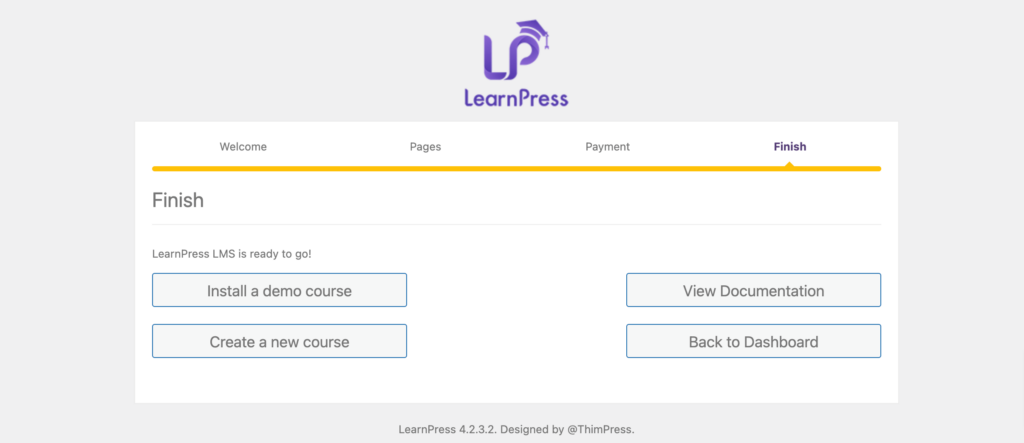
Begin by installing the LearnPress plugin from the WordPress repository. Once installed, activate it to access its features.
Create Courses: Use the plugin's intuitive interface to create courses, add lessons, and assign quizzes. You can also use multimedia elements like videos and images to enhance your course content.
Manage Students and Instructors: LearnPress allows you to easily manage student enrollments, track progress, and assign instructors to specific courses.
Set Up Payments: If you plan to offer paid courses, you can integrate payment gateways like PayPal or Stripe to facilitate transactions.
Customize Your Platform: LearnPress offers various customization options to match your platform's branding and design preferences.
Implement Tracking and Reporting: Use built-in reporting tools to track completion rates, quiz scores, and time spent on courses.
Enable Certifications and Badges: This adds a gamified element to the learning process and provides employees with tangible recognition for their achievements.
Promote the Training Program: Leverage internal communication channels such as email, intranets, or Slack to promote the training program. Highlight the value of the training in terms of employee development and career growth. Well-targeted promotion will drive engagement and participation.
Test and Launch: Before launching the training program, run a test with a small group of users. Collect feedback and resolve any issues to ensure everything runs smoothly. Once finalized, launch the program organization-wide and monitor its effectiveness over time.
Read our detailed guide on How to Build an Online Education Platform Using WordPress
Following these steps can help you create a highly effective corporate training program on WordPress. WordPress enables organizations to provide valuable, engaging, and scalable training solutions by allowing them to design customized courses, track progress, and offer certifications.
3. Additional Tool: Use WP User Frontend Pro to Manage Subscriptions
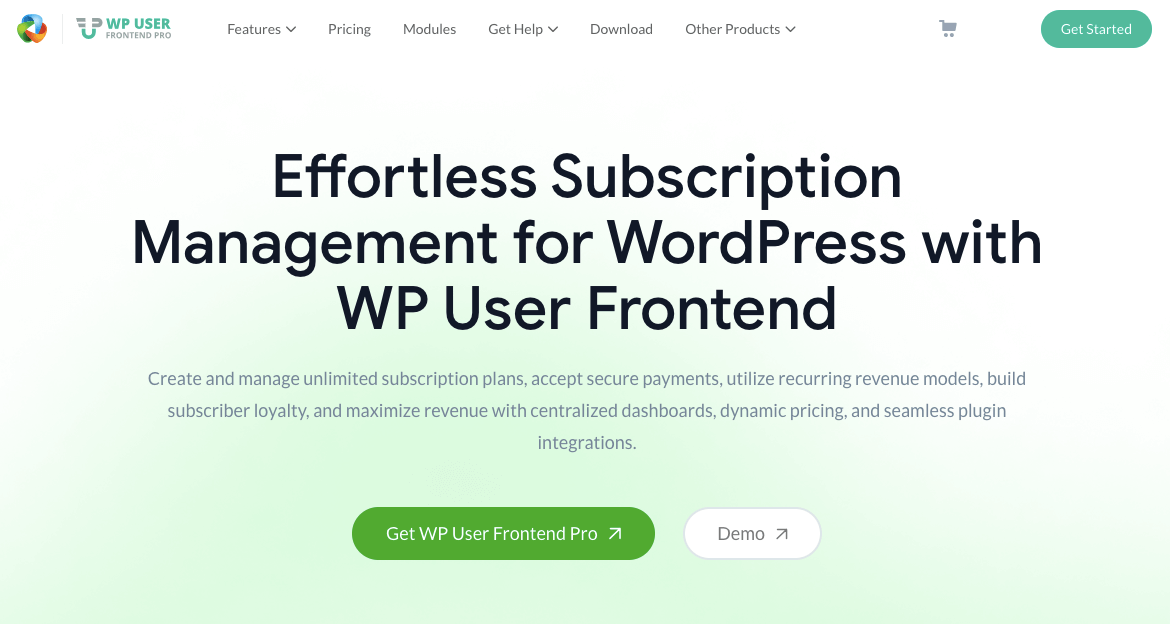
WP User Frontend Pro can be a valuable tool, especially if you plan to offer subscription-based access to your courses. It offers a powerful solution for generating revenue from your corporate training programs. Thus, you can transform your training initiatives into a profitable venture. Here are key revenue-generating features of WPUF Pro:
- Subscription Plans: Create multiple subscription plans with varying features and pricing to cater to different needs and budgets. This allows you to offer premium content or additional benefits to subscribers who are willing to pay more.
- Access Restrictions: Restrict access to specific courses or content based on subscription levels. This can incentivize subscribers to upgrade to higher-tier plans to access premium materials.
- Payment Gateways: Integrate WPUF Pro with popular payment gateways like PayPal and Stripe to facilitate secure and convenient transactions.
- Recurring Payments: Set up recurring payments for subscriptions, ensuring a steady stream of revenue.
By effectively utilizing WPUF Pro, you can monetize and attract students to your corporate training programs and generate a sustainable revenue stream. Learn more about the Subscription Management Feature of the WP User Frontend.
Final Thought
Investing in employee development is essential for organizations to thrive. And, corporate training programs can help you in this regard by offering a structured approach to enhance skills, boost productivity, and nurture a positive work culture.
By leveraging the power of WordPress and plugins like LearnPress and WP User Frontend Pro, you can create a dynamic and effective online learning platform that meets your organization's unique needs.
You can also generate revenue by selling corporate training programs. With WordPress as your foundation, LearnPress as your LMS, and WPUF Pro for subscription management, you'll have the tools you need to design, deliver, and monetize engaging corporate training programs.

