

Project Management Soft Skills vs Hard Skills: What Truly Makes a Great Project Manager
In project management, success depends on more than just technical knowledge. A project manager must also know how to lead people, handle pressure, and communicate well. These abilities fall into two main types – soft skills and hard skills. Both are important, but they play very different roles.
Hard skills are the technical abilities that help a project manager plan, organize, and track work. On the other hand, soft skills are more about dealing with people. They include communication, leadership, problem-solving, teamwork, and emotional intelligence. Together, these skills help a manager balance both the technical and human sides of a project.
In this post, we’ll explore project management soft skills vs hard skills in detail. You’ll learn what makes each skill set important, how they complement each other, and why great project managers are those who master both. Let's get into the discussion right away.
What Are Hard Skills in Project Management?

Hard skills are the technical abilities and practical knowledge that help a project manager plan, organize, and complete tasks efficiently. These skills are measurable and often gained through education, training, or professional experience.
They form the foundation of project management work. They help managers set goals, define timelines, allocate resources, and track progress from start to finish. For example, when managing a construction project, a manager must know how to read blueprints, calculate costs, and use scheduling tools.
In IT projects, managers must understand system requirements, software tools, and agile methods. These are all hard skills that keep projects on the right path. Some of the most important hard skills in project management include:
- Project Planning and Scheduling: Setting clear goals, creating timelines, and defining milestones.
- Budget and Cost Management: Tracking expenses, estimating costs, and ensuring the project stays within budget.
- Risk Management: Identifying possible risks and creating strategies to reduce or avoid them.
- Quality Control: Making sure all deliverables meet the required standards.
- Technical Knowledge: Understanding the tools, methods, and technologies relevant to the project or industry.
- Project Management Tools: Using software like WP Project Manager, Asana, Trello, Jira, or MS Project to manage tasks, communication, and progress.
Here's a detailed guide on how to improve your remote project management skills.
What Are Soft Skills in Project Management?

Soft skills are the personal and interpersonal abilities that help a project manager work well with people, build trust, and lead a team effectively. Unlike hard skills, soft skills are not about tools or technical knowledge. They are about communication, attitude, behavior, and emotional intelligence.
A project manager might have all the technical knowledge, but without strong soft skills, it’s hard to build cooperation among team members or gain support from stakeholders. These qualities help create a positive work environment. Some of the most important soft skills in project management:
- Communication: Sharing ideas clearly, listening actively, and ensuring everyone understands their roles.
- Leadership: Inspiring, guiding, and supporting team members to work toward common objectives.
- Emotional Intelligence: Understanding and managing your own emotions while responding to others with empathy.
- Problem-Solving: Thinking quickly and creatively to handle unexpected issues or challenges.
- Teamwork and Collaboration: Encouraging cooperation, respect, and unity among diverse team members.
- Conflict Resolution: Managing disagreements fairly and turning them into productive discussions.
- Adaptability: Staying flexible and calm when plans or priorities change.
Check the project management skills a project manager must have.
Key Differences Between Soft and Hard Skills

Unless you can properly differentiate between them, you'll still remain unclear regarding the theoretical aspects of these topics. So, below, we have presented the differences between soft skills and hard skills in a comparison table.
| Criteria | Hard Skills in Project Management | Soft Skills in Project Management |
| Nature | Practical, structured, and task-oriented | Emotional, behavioral, and people-oriented |
| How They Are Learned | Gained through education, certifications, and hands-on training | Developed through experience, observation, and self-improvement |
| Measurement | Easy to measure and test with exams, certifications, or performance reports | Hard to measure – shown through attitude, leadership, and team response |
| Purpose | Helps manage processes, tools, resources, and technical aspects of a project | Helps manage people, communication, emotions, and relationships |
| Examples | Project planning, scheduling, budgeting, risk management, software use, and technical documentation | Leadership, communication, teamwork, emotional intelligence, adaptability, and conflict resolution |
| Focus Area | Focuses on what needs to be done and how it will be done | Focuses on who is doing the work and how they are motivated |
| Outcome | Leads to efficiency, structure, and accurate project execution | Leads to trust, collaboration, and positive team culture |
| Evaluation Method | Evaluated through project results, certifications, or technical assessments | Evaluated through feedback, relationships, and team performance |
Visit this post to learn how to grow time management skills in project management.
How to Develop Project Management Hard Skills
Hard skills are not something you are born with. They are developed and earned through structured learning and practice. If your goal is to become a successful project manager, there is no shortcut. Below, we have outlined a systematic approach to help you build the hard skills needed for a strong project management career.
1. Take Formal Training and Certifications
Formal courses and certifications provide structured knowledge and credibility. Programs like PMP (Project Management Professional), PRINCE2, or Agile and Scrum certifications teach best practices, frameworks, and methodologies used in real-world projects.
Training also introduces tools and techniques that are essential for professional project management. By completing these courses, you not only learn technical skills but also demonstrate your competence to employers and teams.
Myth debunked – can WordPress really handle project management?
2. Gain Practical Experience
Practical experience is the best way to reinforce hard skills. Start by managing smaller projects or tasks, tracking budgets, timelines, and risks. Use project management software to plan, assign, and monitor tasks. You can use the WP Project Manager plugin (software) in this case.
By applying theoretical knowledge to real situations, you learn how to handle challenges, make decisions under pressure, and deliver results. Experience also helps you identify what works and what needs improvement in your approach.
3. Learn to Use Project Management Tools

Modern projects rely heavily on software to stay organized and on track. Tools like WP Project Manager, MS Project, Trello, Asana, ClickUp, and Jira help with scheduling, task assignment, collaboration, reporting, and various other aspects.
Becoming proficient in these tools improves efficiency and allows you to manage teams and tasks effectively. Regular practice with project management software ensures smoother project execution and better communication with stakeholders.
Take a look at some of the best project management software.
4. Study Project Management Techniques and Methodologies
Knowing different project methodologies helps you adapt to the project’s needs. Techniques like Waterfall, Agile, Scrum, and Kanban provide frameworks for planning, execution, and monitoring. Each method has its strengths depending on project complexity, team size, and industry.
By studying these approaches, you can select the right methodology for your projects and manage them more effectively.
5. Learn Risk, Budget, and Resource Management
Hard skills also include managing the financial and operational aspects of a project. Budgeting involves estimating costs accurately and keeping expenses under control. Resource allocation ensures the right people, tools, and time are assigned to tasks.
Risk management involves identifying potential problems early and preparing strategies to avoid or minimize them. Mastering these skills ensures projects are completed on time, within budget, and meet quality standards.
6. Keep Updating Your Knowledge
Project management tools, methodologies, and best practices evolve over time. Staying up to date is essential to maintaining strong hard skills. Attend webinars, read industry blogs and guides, and join professional forums to learn from other project managers.
Learn how to run Agile sprints in WordPress.
How to Develop Project Management Soft Skills

Soft skills are the interpersonal and emotional abilities that help a project manager lead teams, communicate effectively, and solve problems. Unlike hard skills, soft skills are not learned through textbooks or exams. They are developed through experience, self-awareness, and consistent practice.
Read the following points below to understand how to develop project management soft skills.
1. Improve Communication Skills
Effective communication is the foundation of strong soft skills. A project manager must clearly share ideas, provide instructions, and actively listen to team members and stakeholders. You can improve this skill by practicing public speaking and writing concise emails and reports.
You can also ask for feedback to ensure your messages are understood. Over time, clear communication helps prevent misunderstandings and keeps everyone aligned.
2. Develop Leadership and Motivation Skills
Being a good leader is more than assigning tasks. It’s about inspiring your team to give their best. Focus on understanding your team members’ strengths, encouraging participation, and recognizing achievements. Check the differences between a project manager and product manager.
Besides, you will find lots of leadership development programs regularly offered by various universities, coaching centers, and institutions. You can even enroll there to develop your leadership confidence. This can provide you with practical insights into motivating and guiding a team effectively.
3. Enhance Emotional Intelligence
Emotional intelligence (EQ) is the ability to understand and manage your own emotions while responding to others with empathy. Project managers with high EQ handle conflicts calmly, support team morale, and build trust.
You can develop EQ by reflecting on your reactions, practicing empathy, and learning to manage stress and frustration during challenging situations.
4. Practice Problem-Solving Cases
Projects, regardless of their types, are supposed to face unexpected challenges at regular intervals. Soft skills like problem-solving and decision-making allow managers to find solutions quickly and make confident choices.
You can sharpen these skills by analyzing past project issues, brainstorming alternative solutions, and learning from both successes and failures. Over time, you’ll become more decisive and adaptable.
Grow your knowledge on how to manage conflicts in teams.
5. Improve Teamwork and Collaboration
A project manager must ensure the team works together smoothly. Collaboration skills involve respecting diverse opinions, encouraging cooperation, and resolving conflicts constructively. Participating in team projects, group exercises, or cross-department tasks helps strengthen these abilities and builds stronger working relationships.
6. Seek Feedback and Reflect on Performance
Continuous self-improvement is key to developing soft skills. Ask team members and peers for feedback on your communication, leadership, and problem-solving. Reflect on what went well and what could be improved. Regular self-assessment allows you to identify weak areas and take actionable steps.
Build Your Hard and Soft Skills with WP Project Manager
Today, managing a project effectively is nearly impossible without a good project management tool. While there are many options available online, most of the feature-rich tools come with a high price tag. So, for someone in the learning stage, investing in expensive software can be challenging.
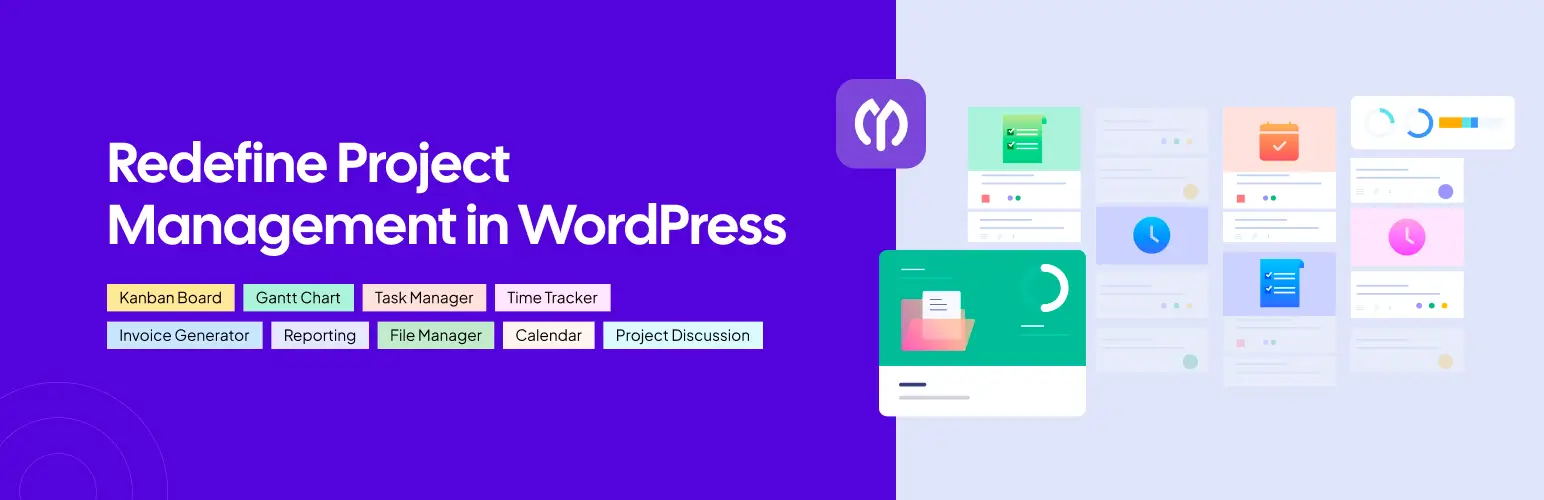
In this situation, WP Project Manager offers a practical, affordable solution for practicing and managing projects. It's a WordPress plugin that lets you plan projects, organize tasks, track project progress, generate reports, and manage team members efficiently.
The plugin includes essential features and modules, like Kanban Board, Gantt Chart, Time Tracker, Invoice Generator, and more. WP Project Manager has a free and a premium version. You can get them by clicking the buttons attached below.
How WP Project Manager Can Help Develop Your Hard Skills
With its collection of features and tool kits, you can improve your hard skills. Take a look at them right away.
a. Project Planning & Scheduling Tools
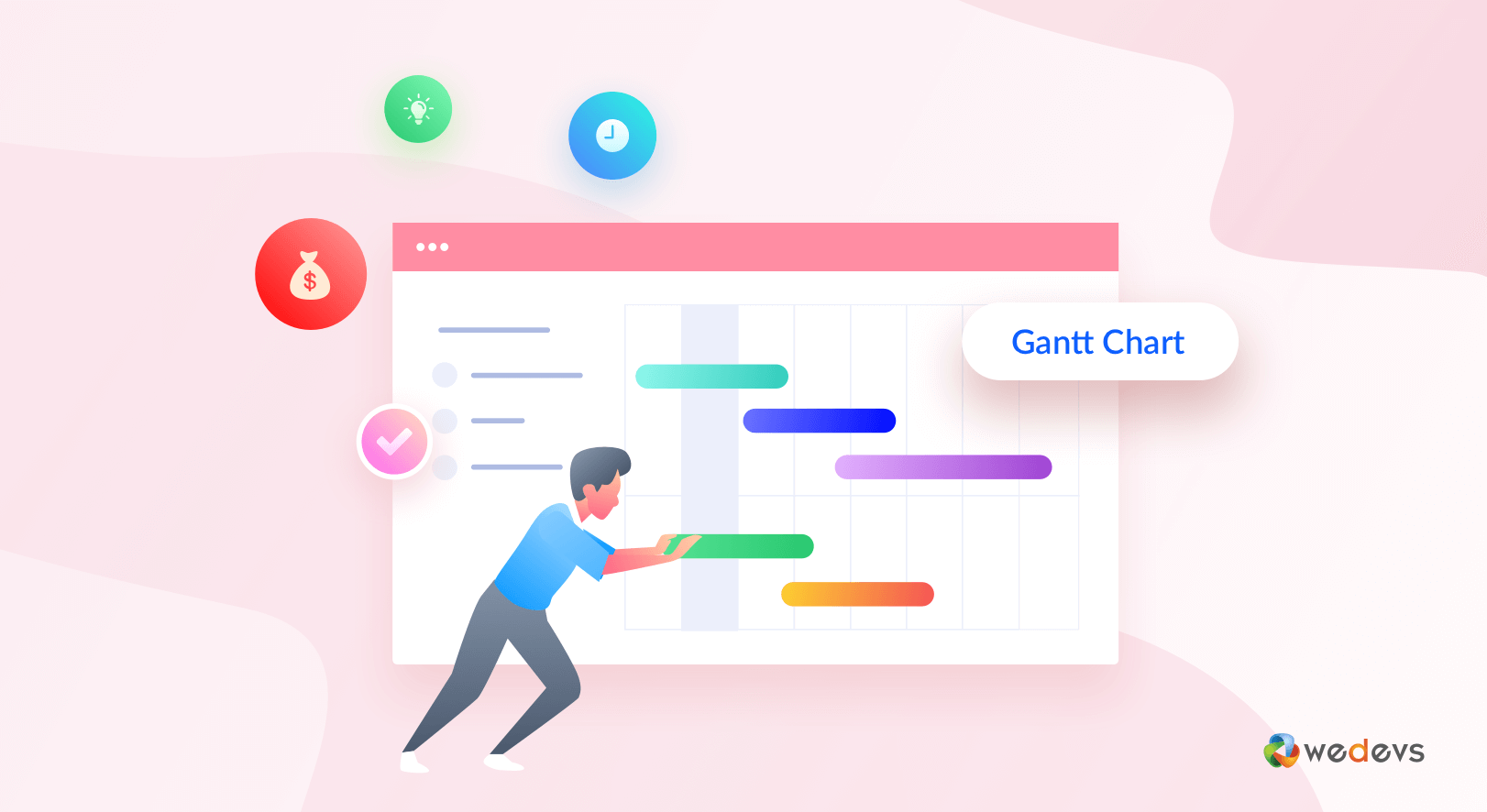
The plugin offers features like to‑do lists, milestones, task lists, and Gantt charts so you can see how tasks and timelines are structured. Using these, you can get better at defining project phases, setting deadlines, and breaking work into tasks & sub-tasks.
b. Task, Resource & Tool Management
You can assign tasks, set due dates, use Kanban boards and track progress. This supports mastering hard skills like using project management tools, organising pipelines, and monitoring deliverables.
c. Reporting & Analytics
The Pro version provides advanced reports, activity logs and dashboards showing what is done, overdue tasks, and user activities. Having such data helps you improve your technical skills of measuring progress, interpreting metrics, and making data‑based decisions.
d. Time Tracking & Cost Control
With versions supporting time trackers and integrating workflows, you can track hours spent, which ties to budgeting and cost management — important hard skills.
Take a look at the common project management challenges.
How WP Project Manager Can Help Develop Your Soft Skills
Let's now take a look at the soft skills you can develop with the WP Project Manager plugin. We have listed and discussed them below.
a. Communication & Collaboration
The plugin includes discussion threads, file sharing within the project, and comments on tasks so team members can interact. Using these features forces you to practise clear communication, listening (via feedback/comments), and coordinating with team members.
b. Team Leadership & Role Management
With the ability to assign roles, manage permissions, invite multiple users, and manage tasks across people, you develop skills of leadership, delegation, and building trust. Because you’re in charge of both technical tasks, support team members with motivation and guidance.
c. Adaptability & Real‑Time Decision Making
The Kanban boards, changing task status, and real‑time notifications make you react to changes and make decisions quickly. This helps you build adaptability, problem‑solving and responsiveness.
d. Feedback & Performance Improvement
Because you can track team activity, comments and workflows, you get insight into how tasks are being handled, where communication breaks down, so you can reflect and improve your interpersonal style.
Explore WP Project Manager vs Trello.
Common Mistakes Project Managers Make About These Skills and How to Avoid Them

Even experienced project managers sometimes misunderstand the balance between hard and soft skills. Many focus too much on one side while neglecting the other, which can lead to team issues, missed deadlines, and poor project results. Understanding these common mistakes can help you build a more balanced and effective skill set.
1. Relying Only on Technical Knowledge
Some project managers believe that mastering tools, techniques, and methodologies is enough to succeed. But technical knowledge alone cannot guarantee project success. Without strong communication, teamwork, and emotional intelligence, even the most well-planned project can fail.
How to avoid: Focus equally on people management. Engage with your team, encourage feedback, and practice active listening to maintain a healthy balance between technical and interpersonal strengths.
Let's explore if WP Project Manager can replace Asana or Trello.
2. Ignoring the Importance of Communication
Communication is often overlooked in busy project environments. Misunderstandings and unclear instructions can lead to confusion and mistakes.
How to avoid: Always keep your communication transparent and regular. Use collaboration tools, hold short meetings, and confirm important updates in writing to ensure everyone stays aligned.

3. Not Updating Technical Skills
Project management tools and techniques evolve constantly. Relying on outdated methods can reduce your efficiency and project performance.
How to avoid: Keep learning new tools and methods. Take online courses, attend workshops, and explore platforms like WP Project Manager to stay updated with modern project management practices.
Visit this post on how a Gantt chart can simplify a complex project.
4. Failing to Manage Emotions and Stress
Handling pressure and managing team emotions are part of every project manager’s role. Losing patience or reacting emotionally can harm relationships and decision-making.
How to avoid: Practice emotional control and stress management. Use mindfulness techniques, take short breaks when needed, and maintain a calm, professional tone during challenges.
5. Neglecting Feedback and Self-Improvement
Some project managers avoid feedback or fail to review their performance after project completion. This limits their growth and improvement.
How to avoid: Ask for honest feedback from your team and stakeholders. Reflect on past experiences to identify weak points and turn them into learning opportunities.
Explore the best and cheapest project management tools.
Final Thoughts!
Mastering both hard and soft skills can truly turn you from a simple project handler into a true project leader. When you manage people with empathy and projects with precision, success follows naturally. Keep learning, practicing, and improving. That’s the real key to becoming a great project manager.
We have done our best to cover this post thoroughly, discussing every aspect of today's topic. If you have any queries that have not been answered yet, mention them in the comment box below. We will reply to this very soon with a viable answer. Thanks for being with us till the end.

